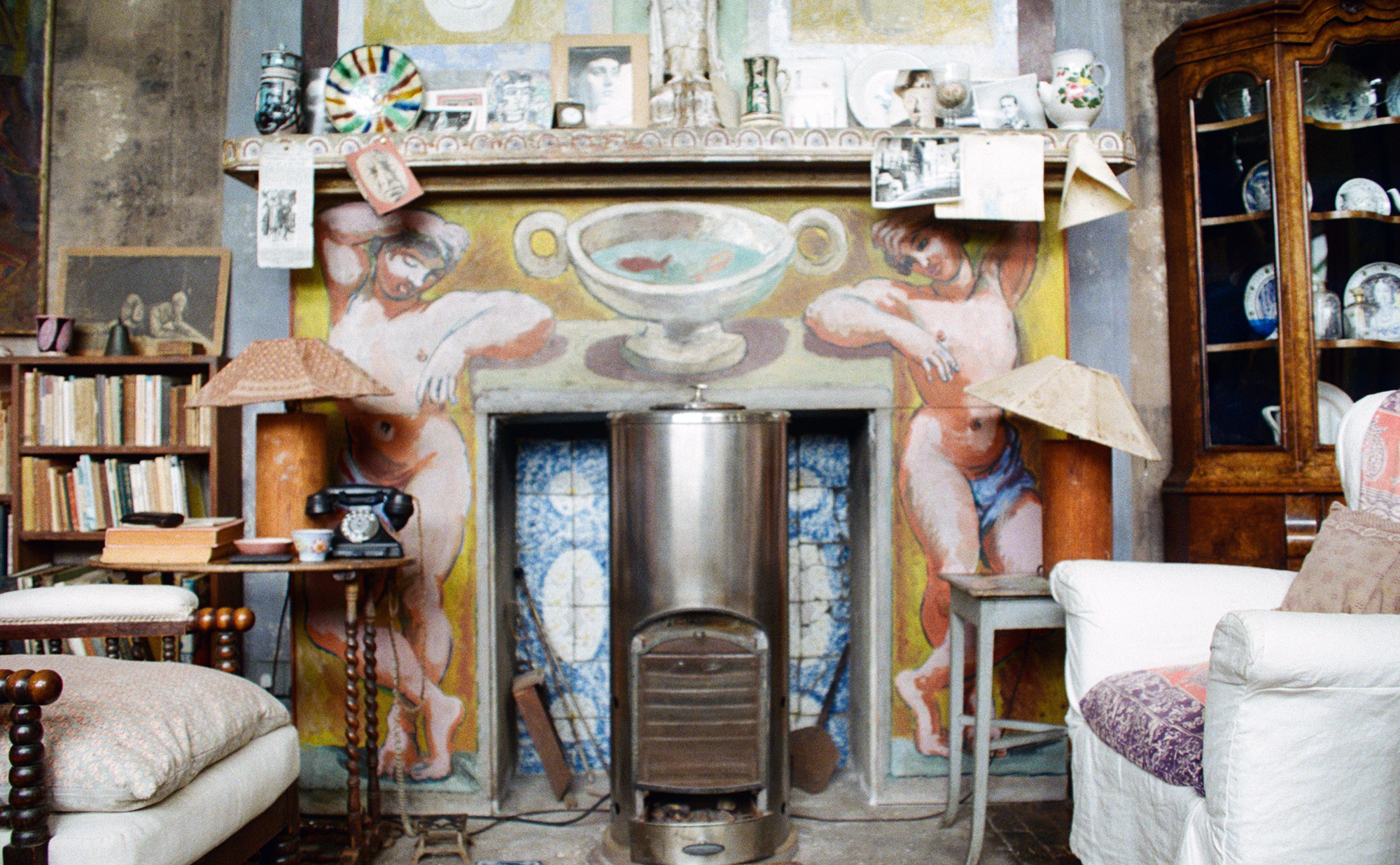
The inner life
“What is this concept of beauty,
upon which the reigning doctrine of art is based?”
IN A RECENT discussion on the nature of beauty with a dear friend, who reminded me of the Sanskrit term, rupa, meaning physical harmony, it then led to the distant memory of an Indian text I had once studied, Bharata’s Natyasastra, a treatise on the Arts (specifically the performing arts) and how it can aid the spectator in transcending their sense of self.
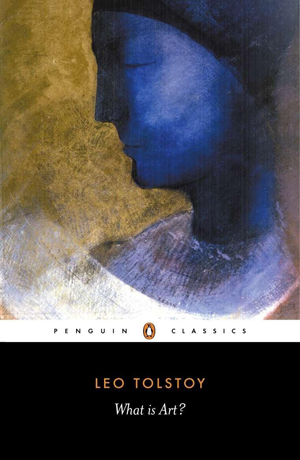
The ancient Indians were not the only ones to contemplate the nature of beauty and its metaphysical role. The Russian author, Leo Tolstoy (9th September 1828–20th November 1910), as well as writing a series of highly acclaimed novels, also composed essays and polemics on issues pertaining to morality, social justice and religion, culminating in the literary masterpiece, What Is Art?.
This powerfully influential work both criticizes the elitist nature of art in nineteenth-century Western society and rejects the long-established belief that its sole purpose should be the creation of beauty. Thus, the works of Dante, Michelangelo, Shakespeare, Beethoven and Wagner are vehemently dismissed, being in his opinion overly complex and incomprehensible to ordinary, working-class people, as well as using technical mastery to produce artificial, calculated or confusing “counterfeit” art purely for the pleasure and entertainment of the wealthy bourgeoisie.
Instead, Tolstoy makes the case that true art must be a transmission of the inner life. Specifically, art is communication, the conveyance of feeling—be it joy, grief, courage, brotherhood—uniting for a single moment two human beings (spectator and artist) in an act of holy communion through the language of the soul. Together with religion and science, the artist, he believed, must accept their role as spiritual midwife, so to speak, and the inherent responsibility of fashioning the elevation and advancement of all humankind.
So herewith three passages that particularly struck a chord …
And therefore the activity of art is a very important activity, as important as the activity of speech, and as widely spread.
As the word affects us not only in sermons, orations and books, but in all those speeches in which we convey our thoughts and experiences to each other, so, too, art in the board sense of the word pervades our entire life, while, in the narrow sense of the word, we call art only certain of its manifestations.
We are accustomed to regard as art only what we read, hear, see in theatres, concerts and exhibitions, buildings, statues, poems, novels … But all this is only a small portion of the art by which we communicate with one another in life. The whole of human life is filled with works of art of various kinds, from lullabies, jokes, mimicry, home decoration, clothing, utensils, to church services and solemn processions. All this is the activity of art. Thus we call art, in the narrow sense of the word, not the entire human activity that conveys feelings, but only that which we for some reason single out from all this activity and to which we give special significance.
This special significance has always been given by all people to the part of this activity which conveys feelings coming from their religious consciousness, and it is this small part of the whole of art that has been called art in the full sense of the word.
The chief peculiarity of this feeling is that the perceiver merges with the artist to such a degree that it seems to him that the perceived object has been made, not by someone else, but by himself, and that everything expressed by the object is exactly what he has long been wanting to express. The effect of the true work of art is to abolish in the consciousness of the perceiver the distinction between himself and the artist, and not only between himself and the artist, but also between himself and all who perceive the same work of art. It is this liberation of the person from his isolation from others, from his loneliness, this merging of the person with others, that constitutes the chief attractive force and property of art.
Art should make it so that the feelings of brotherhood and love of one’s neighbour, now accessible only to the best people of society, become habitual feelings, an instinct for everyone. By calling up the feelings of brotherhood and love in people under imaginary conditions, religious art will accustom people to experiencing the same feelings in reality under the same conditions; it will lay in people’s souls the rails along which the life behaviour of people brought up by art will naturally run. And uniting the most diverse people in one feeling and abolishing separation, the art of the whole people will educate mankind for union, will show them, not in reasoning but in life itself, the joy of general union beyond the barriers set up by life.
The purpose of art in our time consists in transferring from the realm of reason to the realm of feeling the truth that people’s well-being lies in being united among themselves and in establishing, in place of the violence that now reigns, that Kingdom of God—that is, of love—which we all regard is the highest aim of human life.
Post Notes
- All images: © Paula Marvelly, Charleston
- Leo Tolstoy: A Confession
- Leo Tolstoy: The Death of Ivan Ilyich
- Leo Tolstoy: The Three Hermits
- Fyodor Dostoyevsky: The Gentle Spirit
- Scott Guyon: Why Beauty Matters
- Rainer Maria Rilke: Letters to a Young Painter
- John Ruskin: On Art and Life
- Mark Rothko: The Artist’s Reality
- Agnes Martin: Writings
- Kahlil Gibran: Poet, Painter, Prophet
- Wassily Kandinsky: Concerning the Spiritual in Art
- The Culturium uses affiliate marketing links via the Amazon Associates Programme