Life is brief
“Misfortune leads to truth;
your eyes have been opened to life.
Men are such fools.
They only realize life’s beauty
when faced with death.”
SOMETIMES YOU JUST want to see something simple and life-affirming to bring you back to yourself. After watching a glut of documentaries on serial killers and the perils of social media, I feel it is high time to recalibrate my interaction with my TV and return to the classic filmmakers who understood how to make a meaningful impression through subtlety, pacing and considered dialogue rather than quick-fire editing and shocking drama, which only serve to scare the living daylights out of me, let alone anything else.
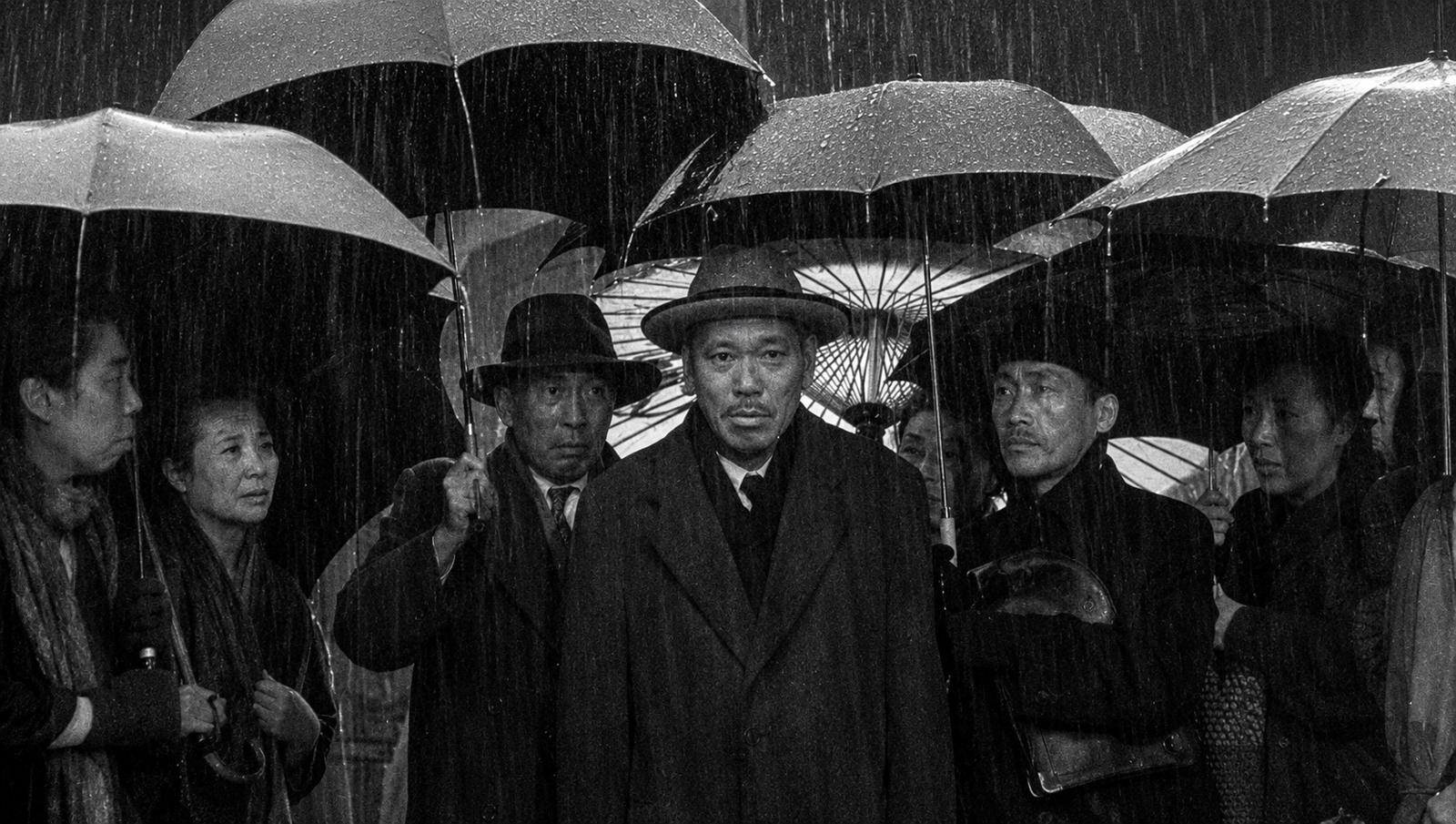
And so I return to the visual presentation of the mysteries of the human condition through the quiet gravity of Japanese auteur Akira Kurosawa’s masterpiece, Ikiru (1952), translated into English as “To Live”. Loosely inspired by Leo Tolstoy’s The Death of Ivan Ilyich (1886), it follows Kanji Watanabe (adroitly played by Takashi Shimura), a timid civil servant who discovers he has a terminal illness and is forced to confront the emptiness of a life spent in a monotonous and effectively meaningless position as the Chief of the Public Affairs Section at Tokyo City Hall. What begins as a meditation on mortality gradually becomes something deeper: a profound exploration of what it means to awaken before death arrives. Thankfully, Kurosawa (23rd March 1910–6th September 1998) resists sentimentality, allowing stillness, silence and ordinary gestures to reveal truths that no speech could adequately convey.
After identifying that the protagonist has stomach cancer, the physician asks his fellow colleagues, “If you had six months to live, what would you do?” His pronouncement forms a powerful leitmotif for the entire movie as Watanabe struggles to come to terms with his diagnosis, forcing him to assess the life he has lived up until this point. After withdrawing ¥50,000 from the bank, a chance meeting with a self-proclaimed Mephistopheles and writer of cheap novels introduces him to a night of vice in order to experience the hedonist pleasures of nightlife at least once before his artless charge passes away.
Because Watanabe is so emotionally withdrawn and afraid of losing the social standing he must maintain at all costs as per Japanese custom, he is unable to confide in anyone, even his own son and daughter-in-law, who are more concerned with his frittering away of the family fortune than considering the possibility he might be infirm. And yet, somewhere from the very depths of his being, his lust for life shines forth in one final, singular burst of enthusiasm as he undertakes to convert a neglected patch of wasteland in the corner of the city into a children’s playground, championed on by the local womenfolk.
What makes Ikiru so enduring is that Watanabe’s awakening comes through a simple act of selfless service, devoid of fanfare or praise. Indeed, his salvation arrives not through heroic transformation or grand achievement but rather transcending the fear of death itself and the ego’s associated trappings such as ambition, reputation or reward. It is through compassionate action that our humble bureaucrat finds joy and even makes peace with his seemingly inconsequential lot in life.
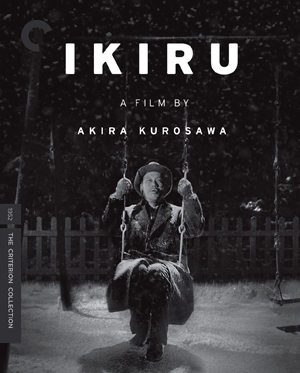
Kurosawa presents this revelation with understated and yet visually arresting mise en scène. The famous image of Watanabe sitting alone on a swing in the falling snow has become one of cinema’s most unforgettable moments, not because it proclaims something as grandiose as “enlightenment” but rather it embodies acceptance of his fate. Like Tolstoy before him, Kurosawa recognizes that death is not merely an ending but a mirror held up to life. Moreover, Ikiru reminds us that the deepest transformation is not by becoming someone else but seeing through the illusion of who we believe ourselves to be. In that recognition, the ordinary world is quietly revealed to be our heaven on earth.
Post Notes
- Feature image: © Akira Kurosawa, Ikiru
- Leo Tolstoy: The Death of Ivan Ilyich
- Paolo Sorrentino: The Great Beauty
- Abbas Kiarostami: 24 Frames
- Alain Resnais: Last Year at Marienbad
- Jean Cocteau: The Art of Cinema
- Andrei Tarkovsky: Cinematic Genius
- Nuri Bilge Ceylan: Once Upon a Time in Anatolia
- Sergei Parajanov: The Colour of Pomegranates
- Bill Viola & Michelangelo: Life Death Rebirth
- Abbas Kiarostami: Certified Copy
- The Culturium uses affiliate marketing links via the Amazon Associates Programme